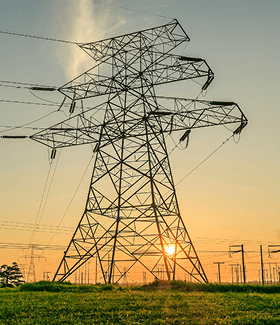
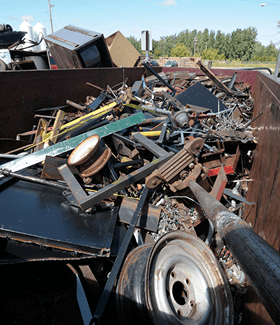
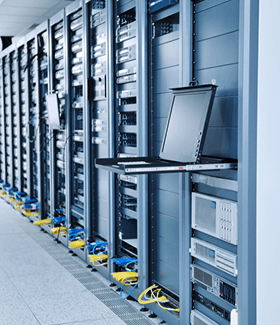
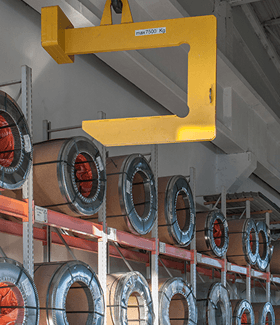
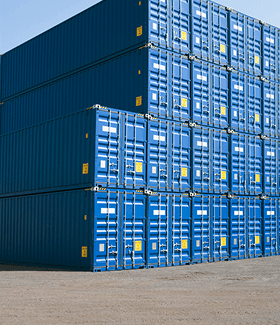
KTR Freight controls the whole lane — factory floor in Asia to energised job site in America. Transformers, beams, coils, insulators, solar modules, semiconductors and data centre gear. One team, one contract, one set of milestones.
Trusted companies across industries




Factory pickup, inspection, lashing and export docs
Flat rack, open top, breakbulk or RORO booking
Space held against the project schedule, not the spot market
Entry, duty, 301 / ADD-CVD exposure, DDP settlement
Gateway pull, chassis, demurrage and per diem control
Our NJ / CHI / LAX floors: deconsolidation, prep, staging
OTR, step-deck, heavy haul with permits and escorts to site
Eight capabilities, sold separately or stitched into a single 4PL programme where we hold the schedule, the cost and the exceptions.
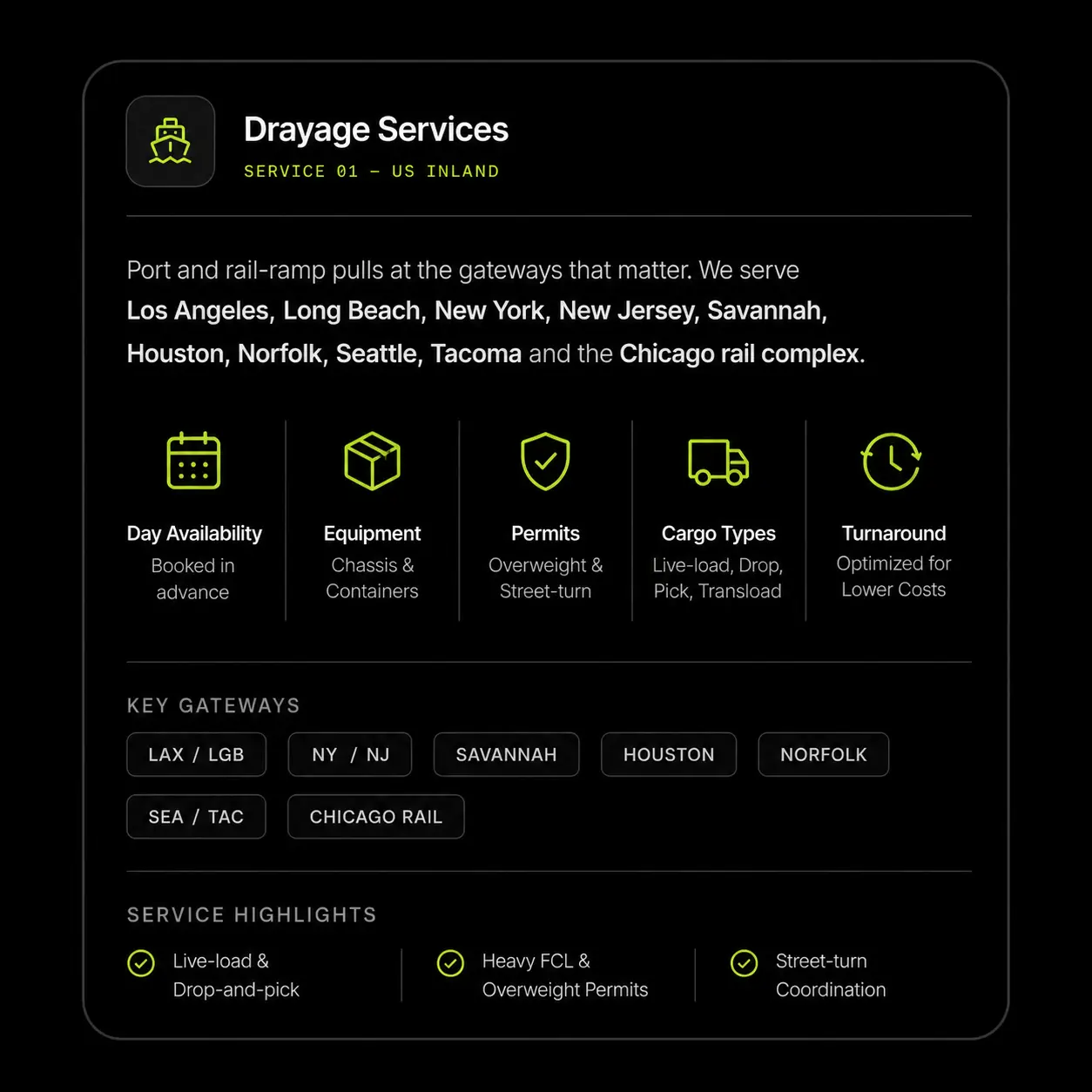
Port and rail-ramp pulls at LA/LGB, NY/NJ, Savannah, Houston, Norfolk, SEA/TAC and Chicago — run against free time, with chassis, demurrage and per diem controlled daily.
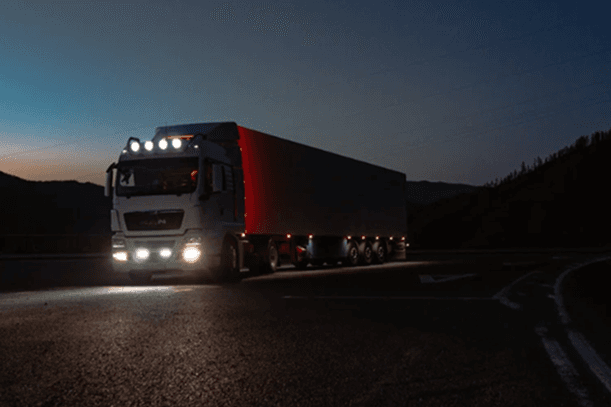
Most Asia-origin shippers lose money after the container lands — on demurrage, on a rejected FBA appointment, on a permit that took nine days, on a duty bill nobody modelled. That gap is what KTR was built to close, and it is why our operating weight sits in the US, not just at origin.
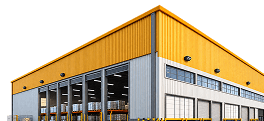
NJ, Chicago and LA floors we control, so a container can be pulled the day it's available instead of the day an agent has room.
Authority, insurance certificates, safety scores and broker-carrier agreements checked before a truck is dispatched, not after a claim.

Classification, valuation and duty exposure modelled up front, so the landed number you were quoted is the number you pay.

The Gurugram and Mumbai desks are awake while US ports are closed — exceptions get worked overnight, not queued for morning.

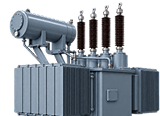
Teams who know what a bushing costs, why a coil rolls, and what happens if a transformer's impact recorder trips in transit.
Six checkpoints. Each one has a named owner, a document and a deadline — that's the whole method.
Supplier readiness is verified before booking. Inspection, packing and lashing are supervised, and export documents are checked against the US entry requirement, not just the local one.
We map origin, mode, gateway, equipment and site constraints against your in-service date, then price the whole chain — including duty — as one number.
The 24/7 desk tracks vessel roll-overs, transhipment risk and ETA drift, and re-plans inland capacity the moment the schedule moves.
Entry is filed ahead of arrival. Duty, 301 and ADD/CVD exposure is settled the way it was quoted, with documents packaged for your compliance file.
Drayage is dispatched against free-time, not convenience. Cargo lands on our NJ, Chicago or LA floor for deconsolidation, prep or staging.
Final mile runs to the site's window with permits, escorts and equipment pre-cleared. You get POD, photos and a closed cost file — no surprise invoices in month three.
The four questions every new shipper asks us in the first call.

Need help?
info@ktrfreight.com
A forwarder sells you a leg. A 4PL owns the outcome across every leg — origin pickup, ocean or air, US customs, drayage, warehousing, OTR and heavy haul, and final mile — on one contract, with one team accountable for the delivery date and the landed cost. When something breaks, there is no hand-off argument between three vendors.

Origin, commodity, dimensions, weight, destination and the date it has to be on site. That's enough for us to come back with a routing and a delivered price.